


Prepare food materials
Dough material
Strong flour: provides the elasticity and toughness of the dough and is the base of the pizza base. It is recommended to use high-gluten flour with a high protein content to ensure the quality of the dough.
Water: Combine with flour to form dough. Pay attention to the temperature of the water should be moderate, to avoid overheating or too cold affect the dough fermentation.
Yeast: Causes the dough to rise and swell, giving the bottom of the pizza a soft, porous texture. Dry or fresh yeast can be used, according to the instructions on the package to use just the right amount.
Sugar: Provides nutrients for yeast and speeds up the fermentation process. It also helps to regulate the flavor of the dough, giving the pizza a slightly sweet base.
Salt: Increases the stringiness of the dough and makes the pizza base more elastic. At the same time adjust the taste, make the pizza more delicious.
Butter or olive oil: Adds lubricity and flavor to the dough. The butter makes the dough soft and delicate, and the olive oil gives it a fragrant flavor. Choose according to personal preference.
Sauce material
Tomato sauce or pizza sauce: serves as the base flavor of the pizza, providing a rich texture and flavor to the pizza. You can choose from commercially available pizza sauce or homemade tomato sauce and adjust the sweetness and sour to your taste.
Onions, garlic, etc. : Add aroma and flavor to sauces. It can be chopped and stir-fried with tomato sauce to make the sauce more rich and tasty.
Filling material
Mozzarella cheese: One of the classic toppings of pizza, providing a rich creamy flavor and a brushed effect. It is recommended to choose good quality mozzarella cheese to ensure the taste and quality of the pizza.
Meat (e.g. sausage, bacon, beef bits, etc.) : Adds protein and texture to the pizza. You can choose different types of meat to match according to your personal preference.
Vegetables (such as green peppers, red peppers, Onions, corn kernels, etc.) : provide color and nutritional balance. You can choose different vegetables to match according to the season and personal taste. Take care that the vegetables are cut to the right size and shape for an even distribution on the pizza.
Fruits (such as durian, mango, etc., depending on taste) : used to make pizzas with special flavors. If you like to try new flavors, you can try adding fruit as one of the fillings.
Make dough
Mixing materials:
Combine the strong flour, sugar and salt in a large bowl.
Add yeast to warm water and stir until yeast dissolves. Be careful that the water temperature is not too high to avoid killing the yeast.
Pour the yeast water into the flour bowl and stir with chopsticks to form a flocculent shape as you pour.
Knead dough:
Use your hands to knead the flour into a dough, which may be sticky at first, you can add dry flour in appropriate amount.
When kneading, it is necessary to apply even force to make the dough fully mixed and produce gluten. This process takes about 10-15 minutes.
If you use a chef's machine or bread machine to knead dough, follow the machine's operating instructions
Add grease:
Spread olive oil or butter evenly over the surface of the dough, then work the grease into the dough with your hands. This process makes the dough softer and smoother.
Fermentation:
Place the kneaded dough in a large bowl, cover with a damp cloth or plastic wrap and leave to rise in a warm place.
The fermentation time depends on the ambient temperature and generally takes 1-2 hours. When the dough is twice as big, dip a small amount of dry flour with your finger and poke a hole in the dough. If the hole does not shrink and the dough does not collapse, the fermentation is complete.
Exhaust shaping:
Place the dough on a cutting board and gently press the palm of your hand to vent.
The dough is then rolled into a round shape and rolled with a rolling pin into a base that matches the size of the pizza pan. Be careful to roll the dough with even force to avoid uneven dough thickness.
Matters needing attention
The activity of yeast is greatly affected by temperature, so pay attention to controlling water temperature and ambient temperature when making dough.
When kneading dough, it is necessary to exert even force and fully knead out the tendons, so that the baked pizza base will be more elastic and toughness.
The fermentation time should be adjusted according to the ambient temperature and the activity of the yeast to avoid excessive or insufficient fermentation.
The relaxation step is also important to make the base softer and easier to handle and reduce shrinkage during baking
Spread the sauce and arrange the filling
First, spread the sauce
Choose a sauce:
There are a variety of pizza sauces, common ketchup, pizza sauce, bechamel sauce and so on. Choose the right sauce according to personal taste and preference.
If you prefer homemade sauces, you can fry tomato sauce or pizza sauce in advance and add Onions, garlic and other ingredients to add aroma and flavor.
Spread sauce:
Place the pizza base on a baking sheet and use a spoon or brush to spread the sauce evenly over the base.
Be careful not to spread too thick, so as not to affect the taste and baking effect of the pizza.
Some blank space can be left around the edges to create a golden brown edge when baked.
First, spread the sauce
Choose a sauce:
There are a variety of pizza sauces, common ketchup, pizza sauce, bechamel sauce and so on. Choose the right sauce according to personal taste and preference.
If you prefer homemade sauces, you can fry tomato sauce or pizza sauce in advance and add Onions, garlic and other ingredients to add aroma and flavor.
Spread sauce:
Place the pizza base on a baking sheet and use a spoon or brush to spread the sauce evenly over the base.
Be careful not to spread too thick, so as not to affect the taste and baking effect of the pizza.
Some blank space can be left around the edges to create a golden brown edge when baked.
Second, place the filling
To prepare the filling:
Prepare a variety of fillings according to personal taste and preference, such as mozzarella cheese, sausage, bacon, green pepper, red pepper, onion, etc.
Cut the filling into the right size and shape to distribute evenly over the pizza.
Placing order:
It is usually topped with mozzarella cheese as a base to give the pizza a creamy flavor and a brushed effect.
Then place meat, vegetables and other fillings according to personal preference. Take care that the filling is evenly distributed and not piled too thick.
Finish with a layer of mozzarella for a top layer that adds texture and beauty.
Creative collocation:
In addition to traditional fillings, you can also try some creative combinations, such as adding fruit, seafood and other ingredients, to create a unique flavor of pizza.
Pay attention to the cooking time and ripeness of different ingredients to ensure that they are fully cooked and retain their taste during the roasting process.
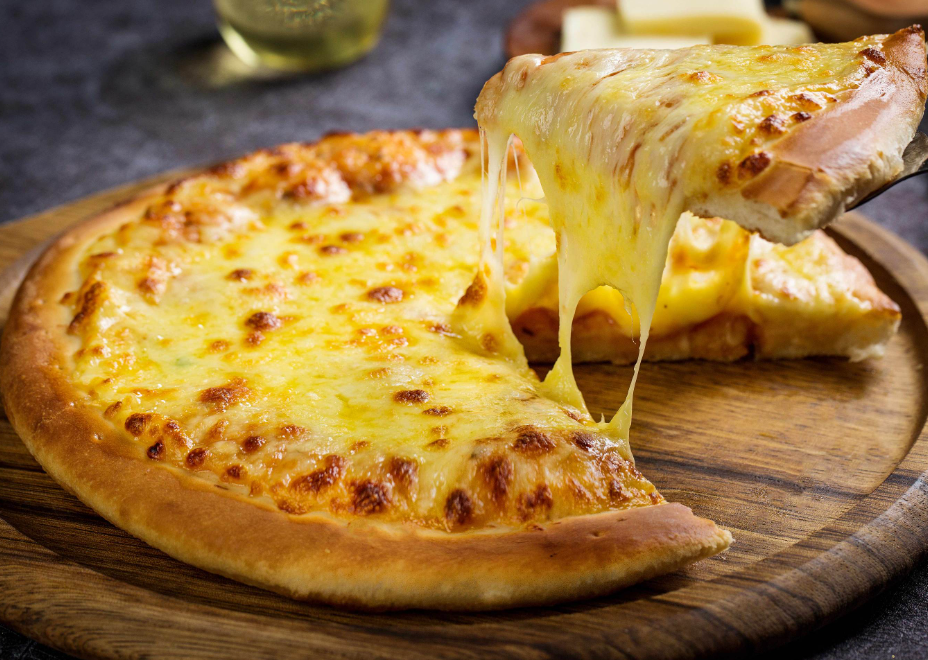
Baked pizza
1. Preheat the oven
Preheat temperature: In general, the oven temperature should be preheated to between 200 and 250 degrees Celsius, which will ensure that the pizza will be evenly heated while baking.
Preheating time: The preheating time varies according to the model and performance of the oven, and usually takes 10-20 minutes to preheat.
2 Place the pizza
Baking pan choice: It is recommended to use a stone or non-stick coated baking pan to evenly cook the bottom of the pizza and avoid the undercooking problem that can be caused by a metal baking pan.
Placement: Place the pizza in the middle or lower level of the oven to ensure that both sides are evenly heated.
3. Baking time
Baking time: The baking time is determined by the size and thickness of the pizza and the temperature of the oven. In general, a medium sized pizza takes about 15-20 minutes to fully bake. However, please note that different ovens and pizza recipes may require different baking times, so it is recommended to adjust according to the actual situation.
Observe the state: During the baking process, pay attention to the color and state of the pizza. When the edges of the pizza begin to turn golden and the toppings are fully cooked, remove.
4. Precautions
Avoid frequently opening the door: During the baking process, try to avoid frequently opening the oven door, so as not to affect the temperature in the oven and the baking effect of the pizza.
Humidity control: When the pizza is about 80 percent cooked, open the oven door to allow excess moisture to evaporate, which will make the bottom of the pizza more crunchy. But please be careful not to open the door for too long, so as not to affect the baking effect of the temperature drop.
Safety precautions: When taking out the pizza, be sure to use oven mitts and other protective tools to avoid burns.
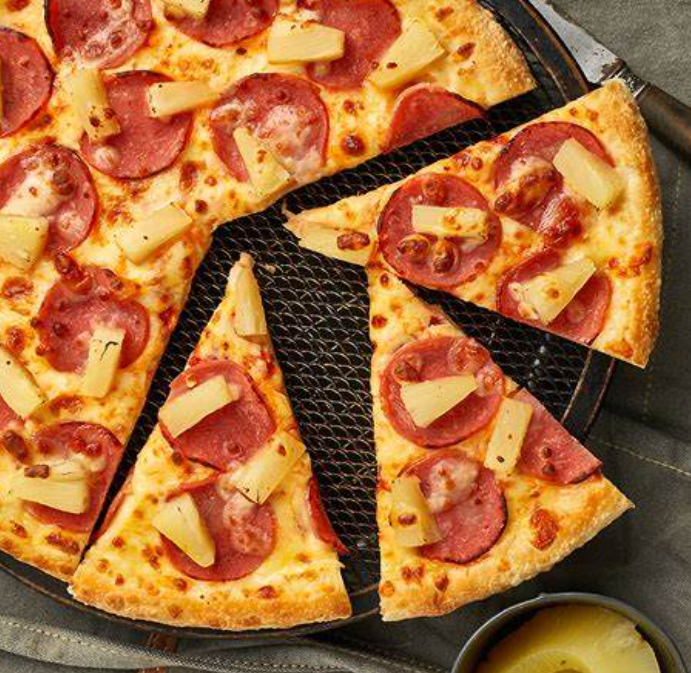
Finish and enjoy
Check for doneness: After taking out the pizza, you can use a knife to cut a small piece to check whether the inside is fully cooked. If it is not fully cooked, return to the oven for a while.
Enjoy: Let the pizza cool slightly and enjoy. It can be enjoyed with drinks, salads and other delicacies to add fun to the meal
If you want to make a delicious pizza you can buy a quality oven.we have pellet oven ,gas oven