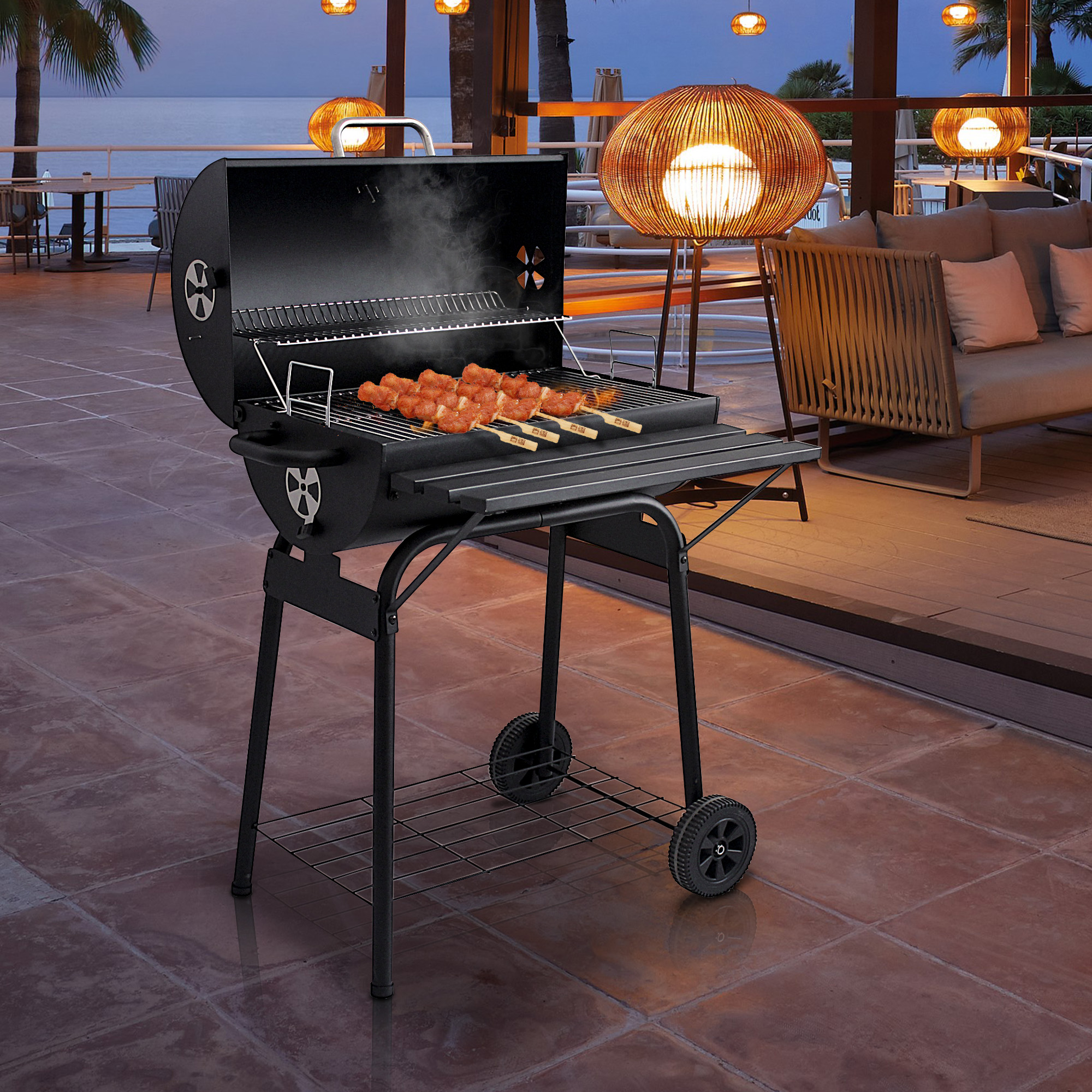
Basic information about Charcoal Grill
construction
Grill net or pan: This is where food is placed, usually made of metal, that can withstand high temperatures and transfer heat evenly.
Carbon barrel or charcoal fire basin: Used to place and burn charcoal, and some designs can adjust the height and position of the charcoal fire for better control of the fire and temperature.
Vents or regulating valves: These are designed to control the amount of oxygen coming in, which affects the burning rate and temperature of the charcoal fire.
Base or bracket: The structure that supports the entire carbon oven and ensures its stability.
Oil tank or oil tray: used to collect the grease dripping during the barbecue process to prevent the grease from directly contacting the charcoal fire to produce flame or smoke.
Precautions for use
Safety first: When using a carbon oven, be sure to pay attention to fire safety, ensure that there are no flammable items around, and have a fire extinguisher ready.
Preheat: Before adding food, let the charcoal fire fully burn and reach a stable temperature.
Control the fire: Control the burning speed and temperature of the carbon fire by adjusting the ventilation holes or using tools (such as charcoal tongs).
Cleaning and maintenance: the carbon oven should be cleaned in time after use to prevent the accumulation of grease and soot from affecting the next use.
Advantages and disadvantages of carbon ovens
advantage
Unique charcoal-grilled flavor:
Carbon oven can produce high temperature, so that the surface of the food in the process of baking quickly baked, forming a unique charcoal roast aroma and smoky flavor, which is difficult to compare with other barbecue methods such as electric oven.
Good baking effect:
The high temperature of the charcoal fire can quickly roast the food, while maintaining the water and nutrition inside the food, so that the baked food is tender, rich in juice and delicious taste.
Portability and applicability:
Carbon ovens are generally designed to be lightweight, easy to carry and move, and suitable for outdoor picnics, camping and other occasions. At the same time, it is not limited by conditions such as power supply, and has a wider range of applicability.
Lower cost:
Compared with electric ovens and other equipment that require electricity, carbon ovens have a lower cost of use, and only need to buy fuel such as charcoal.
shortcoming
Long preheating time:
Carbon ovens require a longer preheating time because the charcoal needs to ignite and reach a stable burning state before it can be used. This can increase the waiting time and affect the efficiency of the barbecue.
The operation is relatively complex:
Compared with equipment with a high degree of automation such as electric ovens, the operation of carbon ovens is relatively complex. Users need to master the skills of igniting and adjusting the fire to ensure that the food is baked evenly.
Soot and Mars problems:
Carbon grills will produce soot and sparks during the grilling process, which may have a certain impact on the environment and human health. At the same time, Mars may also cause safety hazards such as fire, so special attention needs to be paid to fire safety when in use.
Cleaning and maintenance:
Carbon ovens will accumulate dirt such as soot and grease during use, and need to be cleaned and maintained regularly. If the cleaning is not timely or thorough, it may affect the service life and barbecue effect of the equipment.
Not friendly to newbies:
For beginners who have not used carbon ovens, there may be some difficulties due to unfamiliarity with the operation. Such as improper fire control resulting in food burning or undercooked and other problems.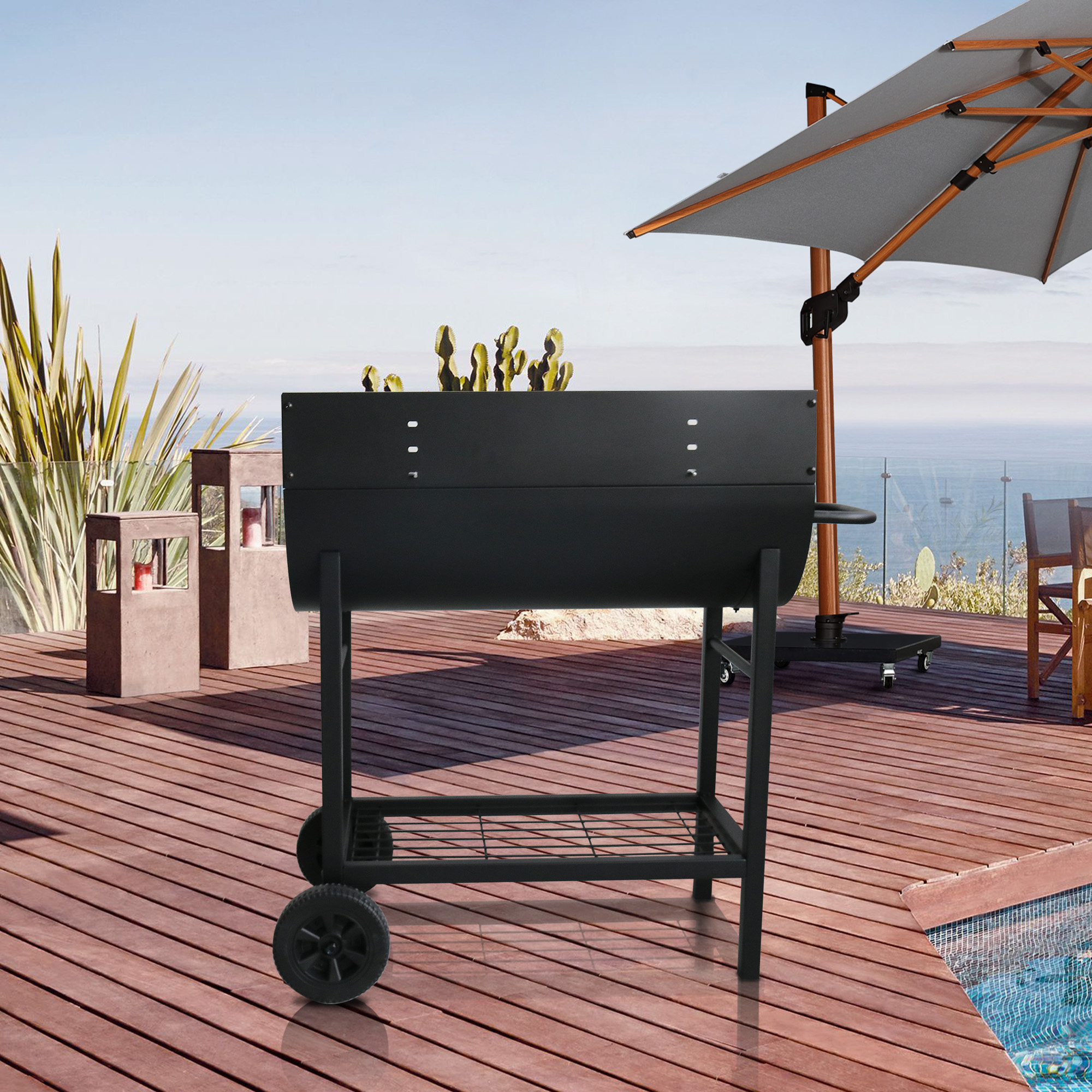
Market situation of carbon oven
First, market demand growth
Increasing consumer demand: With the improvement of living standards and the diversification of leisure and entertainment methods, more and more people choose to barbecue outdoors. The demand for carbon ovens for family gatherings, picnics, camping and other occasions is increasing.
Healthy eating Trends: The popularity of healthy eating concepts has prompted consumers to pay more attention to the selection of ingredients and the way they cook them. Carbon ovens can reduce the use of oil in the cooking process, and retain the original flavor of ingredients, in line with the requirements of a healthy diet.
Second, product diversification
Diversified product demand: Consumers' requirements for carbon ovens no longer just stay on the basic function, but also have higher requirements for product design, quality, durability and other aspects. Therefore, there are various types of carbon ovens with various functions on the market, such as portable carbon ovens, large courtyard carbon ovens, and carbon ovens with temperature control functions.
Technological innovation: With the progress of science and technology, the technology of carbon oven is also constantly innovating and upgrading. For example, some carbon ovens have added electronic ignition systems, temperature control systems and other intelligent design, improving the ease of use and safety.
Third, the market competition is fierce
Many brands: There are many carbon oven brands on the market, including well-known brands at home and abroad and emerging brands. These brands compete for market share by constantly introducing new products and improving product quality and service levels.
Price competition: Different brands and different models of carbon ovens have differences in price. In order to attract consumers, some brands will adopt strategies such as price reduction and promotion. However, price competition has also led to some problems with uneven product quality.
Fourth, market size and growth
Market size expansion: With the increase in consumer demand and driven by product diversification, the scale of the carbon oven market continues to expand. Especially in Asia, the barbecue culture is very popular, and the potential consumer group of the carbon oven market is also large.